

Andreas Wittig has been running widdix GmbH together with his brother Michael for eleven years – just the two of them, no employees, with 1,800 customers worldwide. The brothers specialize in products built around AWS and have made the leap from consulting to a pure product business.
Their main product, a virus scanner for Amazon S3, has 60–70 percent US customers. A story about the 80/20 rule, painfully slow growth at the beginning, and why persistence wins in the end.
This is a summary of Episode 160 of the “Happy Bootstrapping” Podcast (German).
NEW: The Episode is on YouTube as Full Video Episode (still in German):
The Founding Story
The path to widdix begins with failure. Andreas and Michael worked at a fintech startup in Stuttgart – which didn’t survive. But they took something with them: deep AWS expertise. With this knowledge, they became self-employed, wrote two technical books about AWS, and began developing their own products alongside consulting.
The strategy: 80 percent consulting for cash flow, 20 percent product development for the future. Their first product attempt, a virus scanner for Amazon S3 called Bucket AV, initially brought in almost nothing.
“At the beginning you earned $10, then $20. That’s terribly demotivating because you think you’d have to wait another 100 years for this to become something. But sticking with it – that can actually turn into something after five years.”
And that’s exactly what happened. Bucket AV grew slowly but steadily. Today it’s their largest product, with customers primarily from the United States.
The Product and Business Model
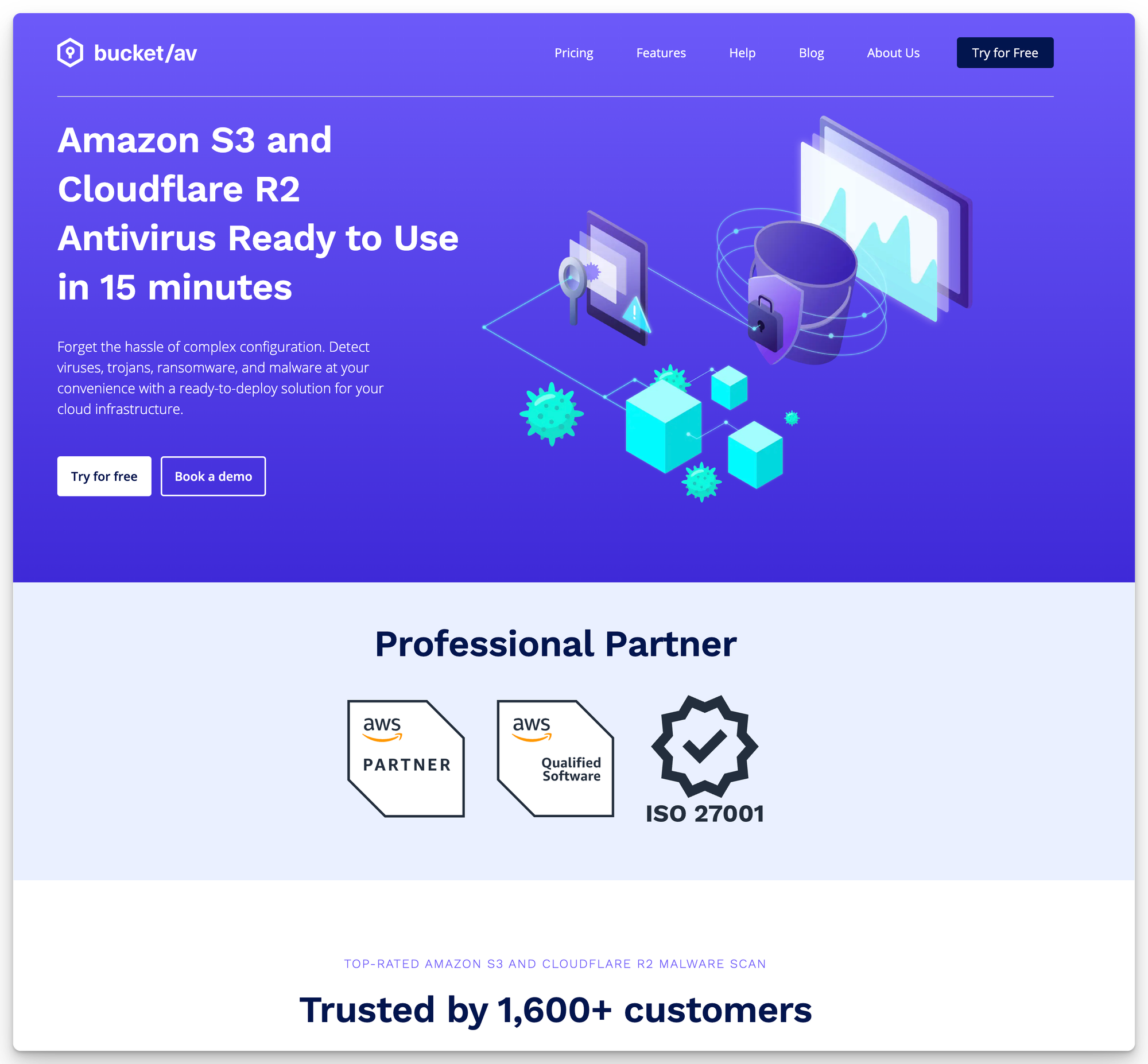
widdix now operates four products in the AWS ecosystem, all distributed through the AWS Marketplace. The main product, Bucket AV, scans files in Amazon S3 for viruses – a niche problem that enough companies have to build a business around.
The product philosophy is radically simple:
“What we learned: Can we explain the product simply and does it fit in three keywords? That’s basically our strategy.”
Operating four products with just two people is a challenge. But Andreas and Michael deliberately haven’t hired employees. Complexity stays manageable, margins stay high, decision paths stay short.
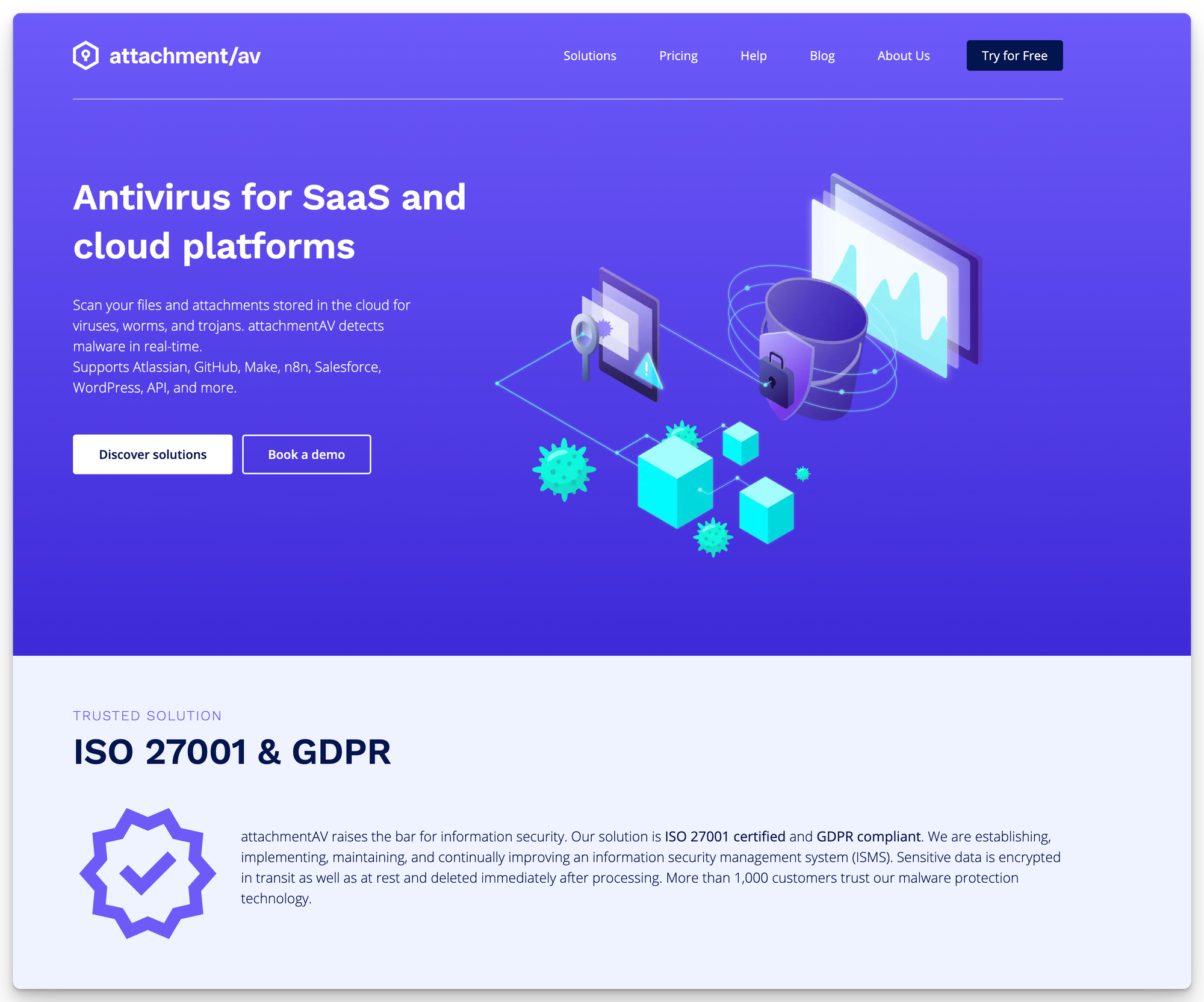
For enterprise customers, ISO 27001 certification was necessary. Cost: around €10,000 per year. An investment that quickly pays off through larger deals.
Marketing and Growth
The AWS Marketplace is the main sales channel. Customers find the products where they’re already looking for AWS solutions. This saves traditional marketing – but also means dependence on a platform.
Growth was never exponential, but linear and slow. That’s exactly what bootstrapping is about: you underestimate how long it takes to establish software in the market. Those who accept that and persist win.
One learning Andreas shares: They drastically raised their prices – and were afraid of the customer reaction.
“We made a fairly drastic price increase and were scared customers would leave – not a single one complained. It’s always a shame you didn’t do it earlier.”
The insight: Most bootstrappers price too low. If nobody complains about the price, it’s probably too cheap.
Challenges and Brother Dynamics
Eleven years of self-employment with your own brother – and never had a serious argument. That’s unusual. Andreas explains it with clear division of responsibilities and similar values. Both want the same thing: independence, meaningful work, no unnecessary growth.
“I can’t imagine anything else anymore. I hope this keeps going well for a long time. Getting hired somewhere – I can hardly imagine that right now.”
The freedom to decide for yourself what you build and how you work is the greatest value for Andreas. No investor, no board, no justification required. Just two brothers building software that customers need.
That also means: inquiries about selling the company get declined. There’s no exit plan because none is needed.
What I Learned in This Interview
Slow growth is normal: From $10 MRR to a real business takes years, not months. Knowing this and persisting gives you an advantage over everyone who quits too early.
Three keywords as a product test: If you can’t explain a product in three keywords, it’s probably too complicated for the market – or you haven’t understood the problem yet.
Raise prices without fear: If nobody complains after a price increase, the old price was too low. Most bootstrappers undervalue themselves.
Learnings for Founders
The 80/20 rule works: 80 percent consulting for cash flow, 20 percent product development. This way the product business finances itself until it becomes self-sustaining.
Bootstrapping takes time: You underestimate how long it takes to establish software in the market. Starting on the side and persisting is the strategy.
Two-person companies can scale: 1,800 customers without employees. Automation and clear product focus make it possible.
Brother partnerships can work: Clear division of responsibilities and similar values are the key. Eleven years without a serious argument.
ISO certification as investment: €10,000 per year sounds like a lot, but it opens enterprise doors that would otherwise stay closed.
Happy Bootstrapping is a German podcast where I interview bootstrapped founders, indie hackers, and solopreneurs about their startup journeys.
Over the years, I’ve connected with many successful entrepreneurs who have built e-commerce shops, SaaS platforms, mobile apps, content businesses, or hybrid models.
Furthermore I am a bootstrapper myself and growing my DevOps-as-a-Sercice and Web Operations Company “We Manage”.